prosthodontic treatments
A fixed solution for missing teeth.
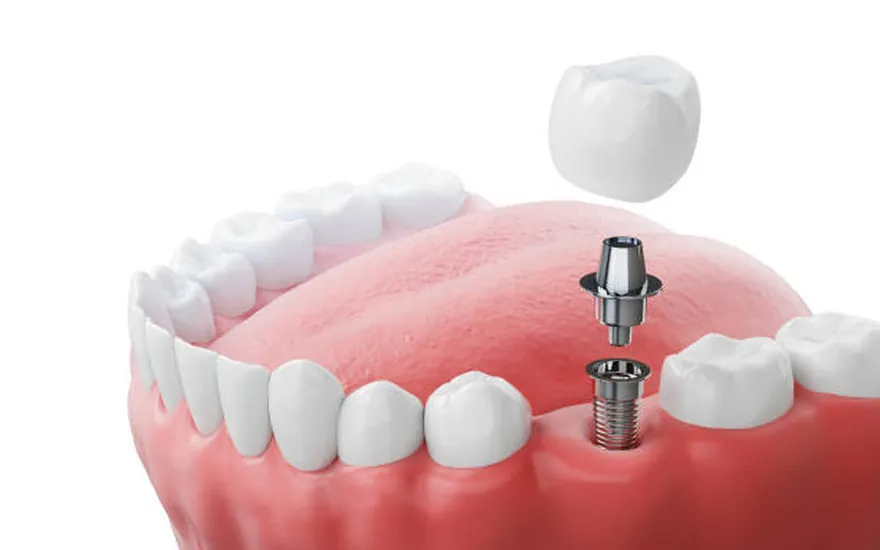
A dental implant is a titanium screw placed in the jawbone to take the place of a missing tooth root. The prosthesis made on top looks like a natural tooth and restores chewing.
Success depends not only on placing the implant but on planning the tooth that will sit on it. That is why planning works backwards from the final prosthesis.
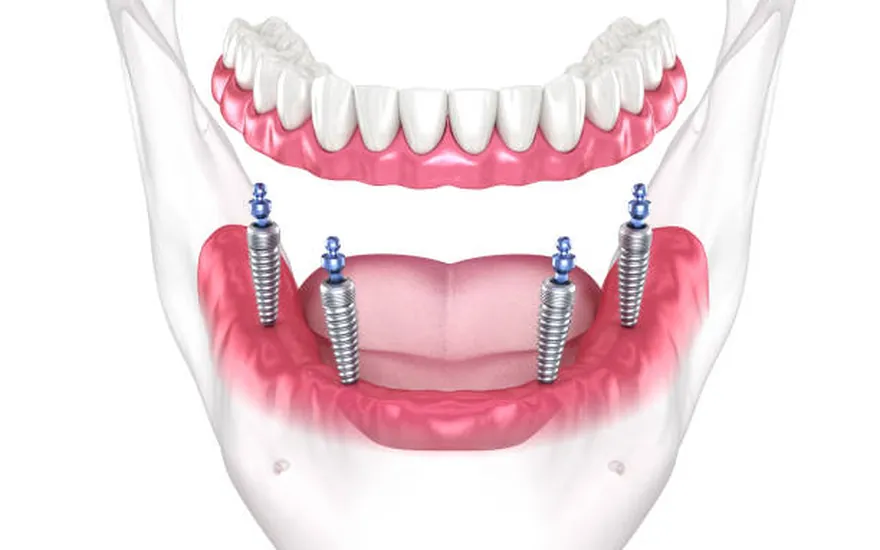
Depending on how many teeth are missing, a crown on a single implant, a bridge on several, or a fixed or removable full-arch prosthesis is considered. Your bone and general health are assessed at the examination and on imaging.
Who is it for?
- People missing one or more teeth
- People who do not want neighbouring teeth to be touched
- People who want their removable denture to hold better
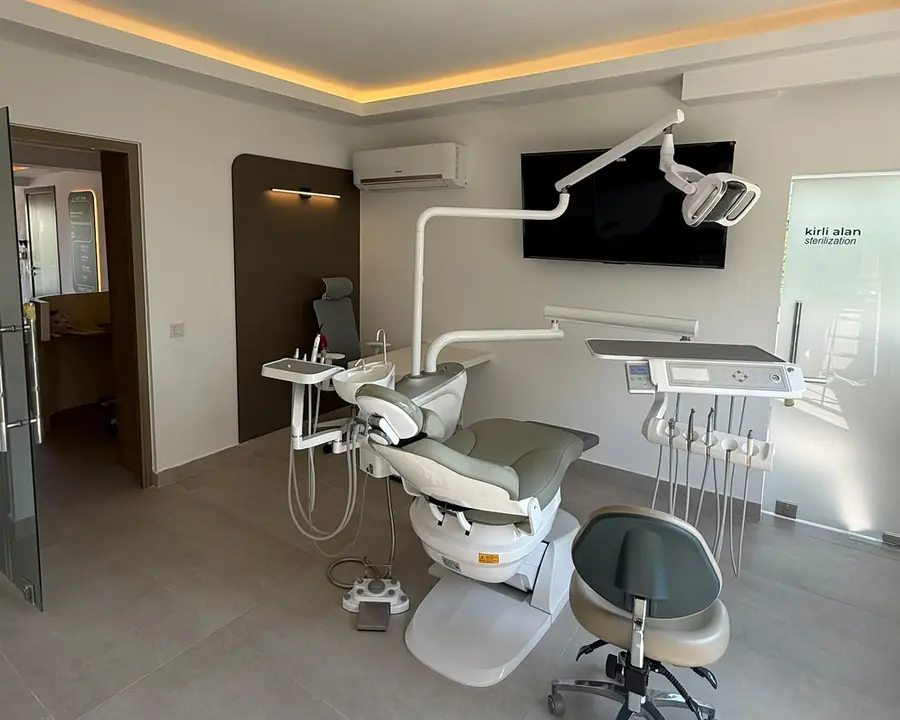
how it looks
Dental implant options.
the process
How does it work?
Examination and imaging
Your bone and general health are assessed.
Planning
The position and number of implants are set according to the planned prosthesis.
Placement and healing
The implant needs a few months to fuse with the bone.
Prosthesis
Once healed, the permanent tooth is made and check-ups are planned.
questions
What you may be wondering.
Is the treatment painful?
It is carried out under local anaesthesia. Mild tenderness or swelling for a few days afterwards is possible; we explain aftercare in detail.
Can anyone have an implant?
Implants suit people whose jaw has finished growing and whose bone is adequate. Some health conditions and medicines are reviewed first; the decision is made after the examination.
How long does it take?
The implant usually needs a few months to fuse with the bone, and the permanent tooth is fitted after that. The exact time depends on your bone.
Come and meet us.
If you have questions, we will talk about those first.